The Environmental Side of Nicotine Pouches: Litter, Microplastics, and Disposal
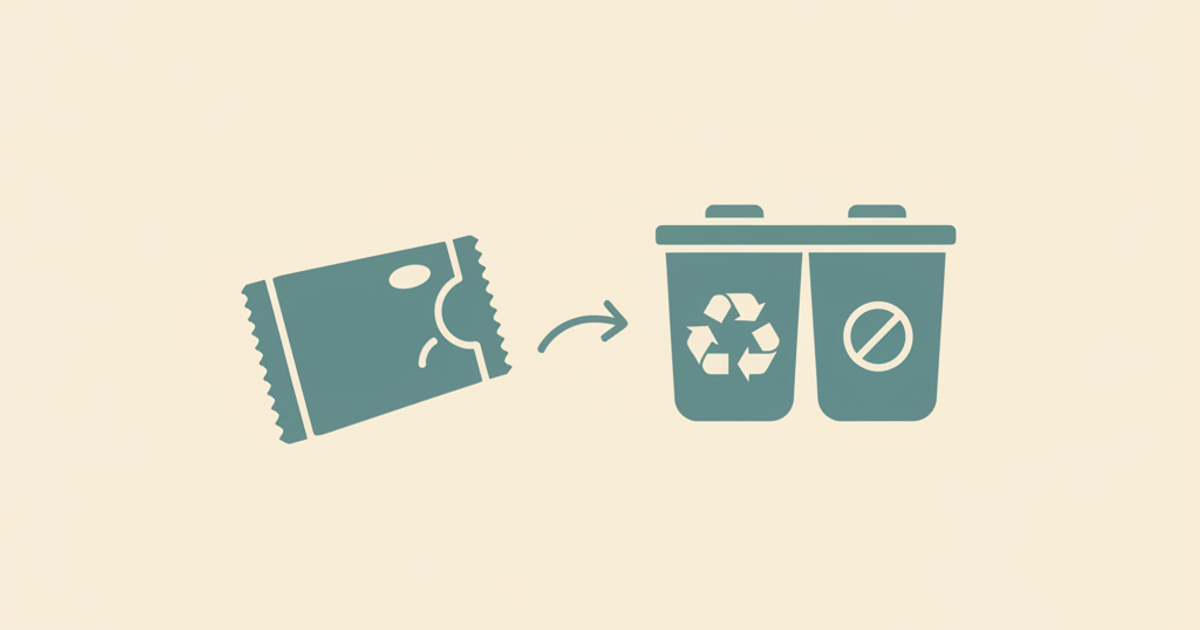
Nicotine pouches are marketed heavily around what they don’t produce — no smoke, no ash, no secondhand exposure. What gets talked about far less is what happens to the pouch itself after you’re done with it.
What a pouch is actually made of
A pouch’s outer layer is a nonwoven mesh, often compared to teabag material — predominantly cellulose fiber, but engineered with synthetic or semi-synthetic binders to hold together in the mouth for 20–45 minutes without disintegrating. That durability is the problem from a waste perspective: the same engineering that keeps a pouch intact while you’re using it is what makes it resistant to breaking down afterward. According to Northerner’s consumer guide, while some natural fibers in a pouch can break down slowly over time, other components persist — meaning a discarded pouch behaves much more like litter than like compostable waste, despite containing plant-based material.
The litter data that does exist
Pouch-specific environmental data is still thin compared to what exists for cigarette butts, but it’s no longer nonexistent. A 2026 Surfrider Foundation Europe position paper on tobacco-related waste cites Danish estimates of roughly 5.3 million nicotine pouches discarded in nature annually — around 3.3 tonnes of waste and half a tonne of plastic-like material from that country alone. TobaccoTactics’ nicotine pouches profile reports that in Sweden, snus and nicotine pouches together made up 21% of urban litter in 2024, second only to cigarette butts — and within that category, pouches now outnumber traditional snus.
Used pouches aren’t nicotine-free
One detail that’s easy to miss: a used pouch has not released all of its nicotine. Beach cleanup reporting cited in the Surfrider paper notes that discarded pouches can retain a substantial share of their original nicotine content, meaning littered pouches continue releasing nicotine into soil and water rather than being an inert leftover. Combined with the persistent mesh material, this is why environmental groups increasingly describe pouches using the same framing as cigarette filters — small, widely discarded, and slower to break down than most people assume.
How to actually dispose of a used pouch
Brand guidance and independent retailer guides agree on the same basic points:
- Don’t flush pouches down the toilet. They don’t disintegrate the way toilet paper does and can contribute to wastewater system blockages.
- Don’t compost them. The synthetic components in the mesh mean pouches won’t break down in a home compost system the way food scraps or paper will.
- Use the can’s built-in storage compartment if it has one. Many brands now include a small pocket in the lid specifically for used pouches, which at minimum keeps them contained rather than loose in a pocket or bag until you can bin them.
- Dispose of them in general household waste, not as litter. This is the least glamorous answer, but it’s the one that actually matches how the material behaves — it isn’t recyclable or compostable in typical municipal systems.
The honest bottom line
“Tobacco-free” and “smoke-free” are true claims about a nicotine pouch’s ingredients and combustion — they say nothing about what happens to the physical product once it’s discarded. The evidence that does exist points to pouches behaving like a small, slow-to-degrade plastic-adjacent waste item that still carries residual nicotine, not a biodegradable or environmentally neutral one. The single most useful habit, regardless of brand: bin it, don’t flush it, and don’t drop it.
Related articles
- Products
LUCY vs ZYN: Which Nicotine Pouch Is Right for You?
ZYN is a dry pouch from Philip Morris in 3mg and 6mg, with FDA-authorized products. LUCY is an independent US brand…
- Products
ZYN Ultra vs VELO Plus vs on! PLUS: High-Strength Pouches Compared
All three are bigger, moister, stronger pouch lines from the big brands. ZYN Ultra (9 and 11mg) and on! PLUS (6 and…
- Products
ZYN vs on!: Which Nicotine Pouch Should You Choose?
Both are dry, FDA-authorized pouches. on! is a tiny mini pouch that starts at lower strengths, while ZYN is a bigger…
- Products
How to Spot Fake ZYN: Signs of Counterfeit Nicotine Pouches
Counterfeit ZYN has turned up in US stores. In one lab test, a fake '6mg' can had 4.5mg of nicotine plus a man-made…